 1 / 3
1 / 3He Tohu
📍 Thorndon, Wellington
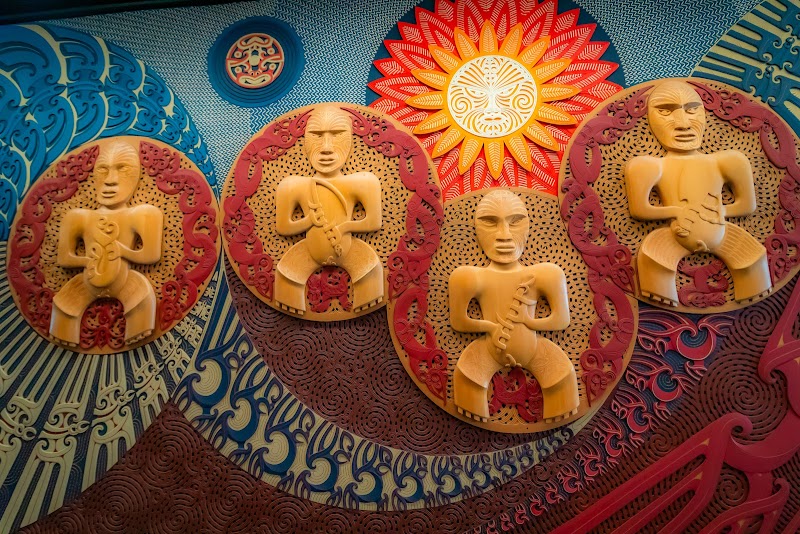
He Tohu at 70 Molesworth Street, Thorndon (Wellington) is the National Library's free permanent exhibit of three founding constitutional documents of New Zealand - the 1835 Declaration of Independence, the 1840 Treaty of Waitangi, and the 1893 Women's Suffrage Petition. Interactive displays in a purpose-built room.
🏆 Family Action Verdict
Best for school-age kids and teens learning about NZ history, plus adults of any background. Reviewers consistently call out the depth of interaction available - this is a quietly powerful exhibit, well-presented for visitors of all backgrounds.
ℹ️ What to Know Before You Go
💬 What Families Are Saying
View all reviews →33 Google reviews
G Reviews from Google
Penelope England
11 months ago
“An inspiring visit to the National Library with a guide to walk us through the He Tohu - A Declaration, A Treaty, A Petition. Cannot reccomend this more highly to locals and visitors. Note - arrange a guided visit as they are so knowledgeable and interesting.”
Rebecca KEENAN
8 years ago
“This was an excellent exhibit the ability to interact to the extent provided really takes this out past all others. If possible I would give it a 10 rating. I am sorry but I do not have any photos. But encourage people visiting NZ and ALL NEW ZEALANDERS to visit this wonderfull exhibit of our history.”
Joshua Ng
7 years ago
“Wonderful exhibition which provides insights into some of the important documents of New Zealand, including the Treaty of Waitangi, which is the closest to a founding document this country has. Amazing interactives and video presentation. Been back twice, will come back again.”
📊 Commonly mentioned in Google reviews
Based on Google review tagsTreaty
3 reviews
Overview
He Tohu is the permanent National Library exhibit at 70 Molesworth Street, Thorndon. The exhibit displays three constitutional documents of central importance to Aotearoa New Zealand - He Whakaputanga (the Declaration of Independence, 1835), Te Tiriti o Waitangi (the Treaty of Waitangi, 1840), and the Women's Suffrage Petition (1893). Interactive displays surround the documents, with multilingual support. Free entry.